The first setup choice is the car itself.
A Sky Division 2 campaign starts by signing with Vector, Vortex, Verdant or Zenith. This is not a cosmetic team color applied to one shared vehicle. Each car begins with its own power, torque, mass, tyre grip, aerodynamic load, drag and balance profile.
Your chosen team then receives its own campaign. Prize money, results, installed parts, setup and cup history remain separate from the other three contracts. That makes a second team more than a repaint: it is a fresh development problem with a different starting point.
The persistent career uses a driver account so campaign money, results and purchases can be stored by the game. Direct race options remain accessible from the main menu.
Pick a strength. Accept its compromise.
The team cards below use the current cars and liveries from the game. Their personalities come from the vehicle data, not from an arbitrary difficulty label.
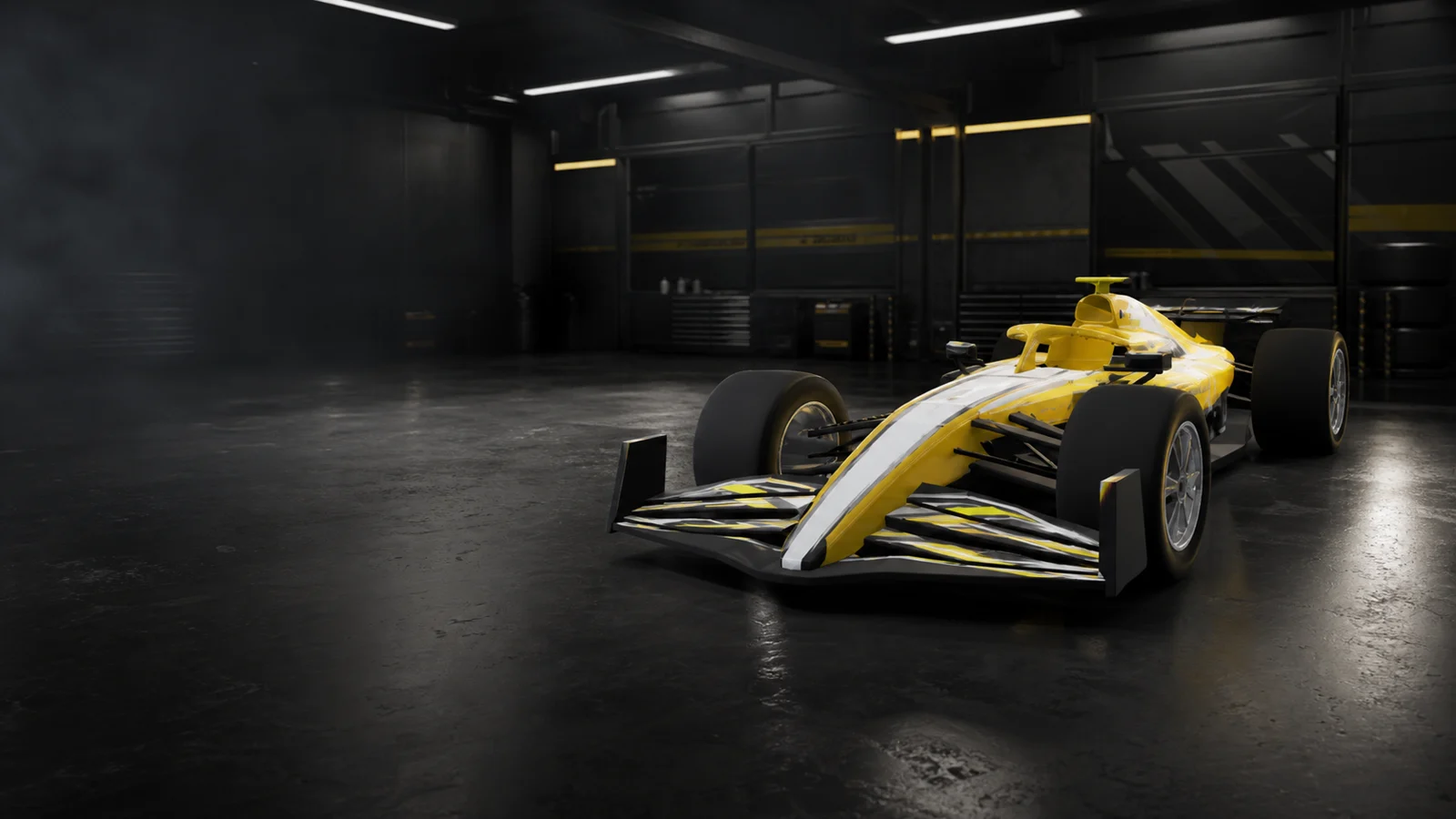
Vector
The most powerful base car and the fastest starting point on a straight, balanced by lower tyre grip and a leaner aero package.
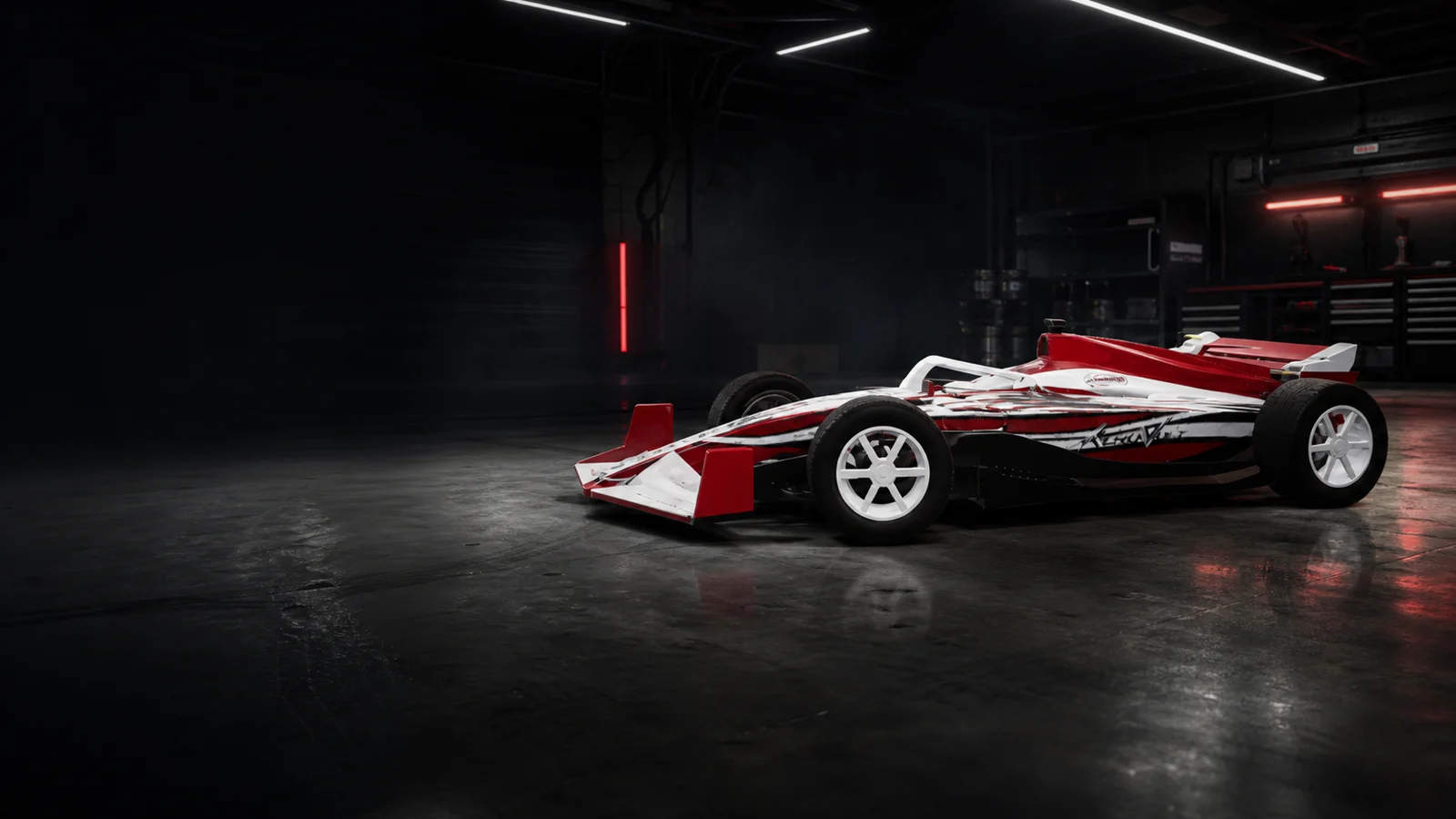
Vortex
Strong torque and an adaptable middle ground. Vortex gives you several viable development directions without choosing the answer for you.
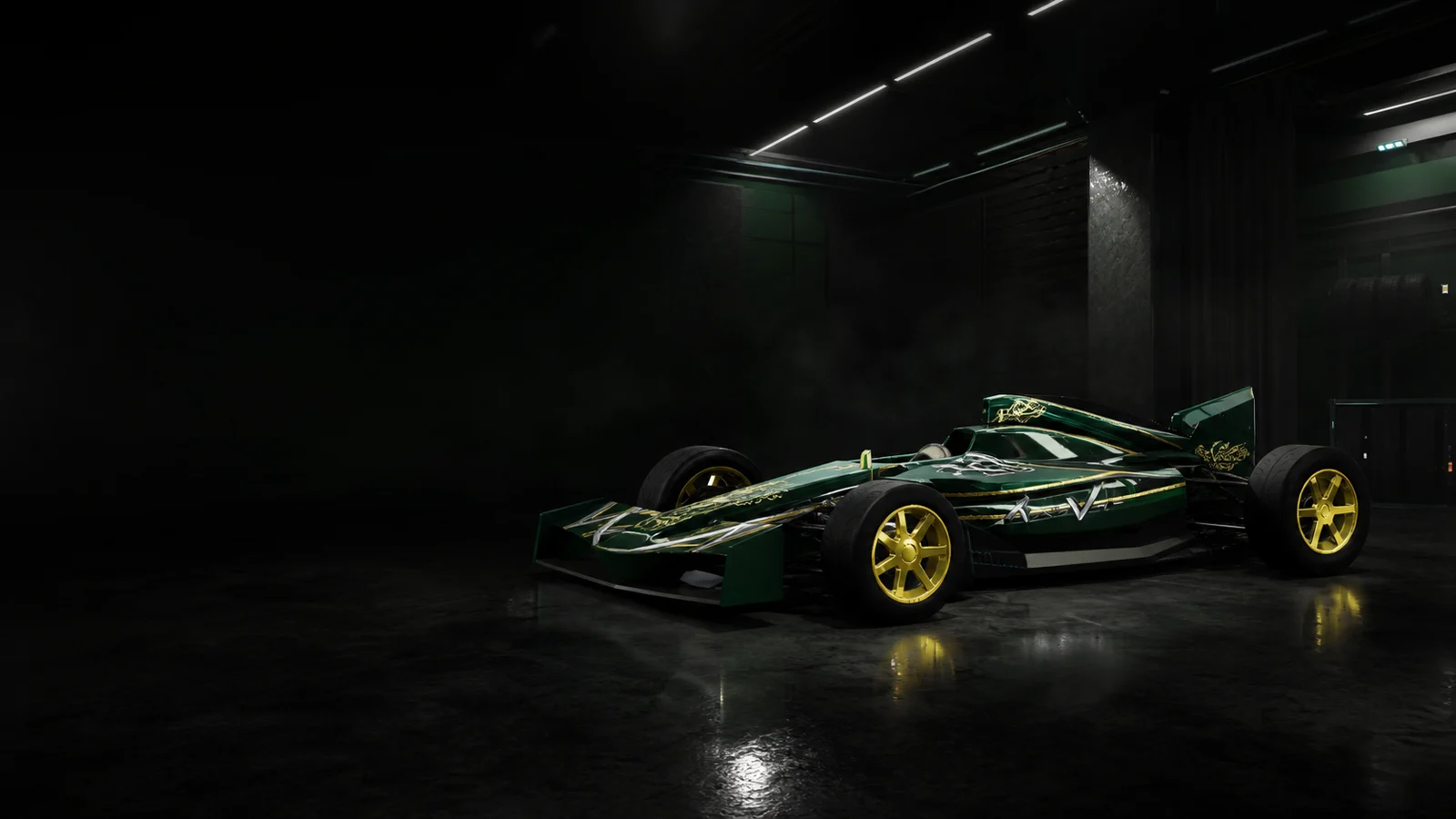
Verdant
High mechanical grip and aerodynamic load make Verdant confident through corners, while additional drag limits its untouched top end.
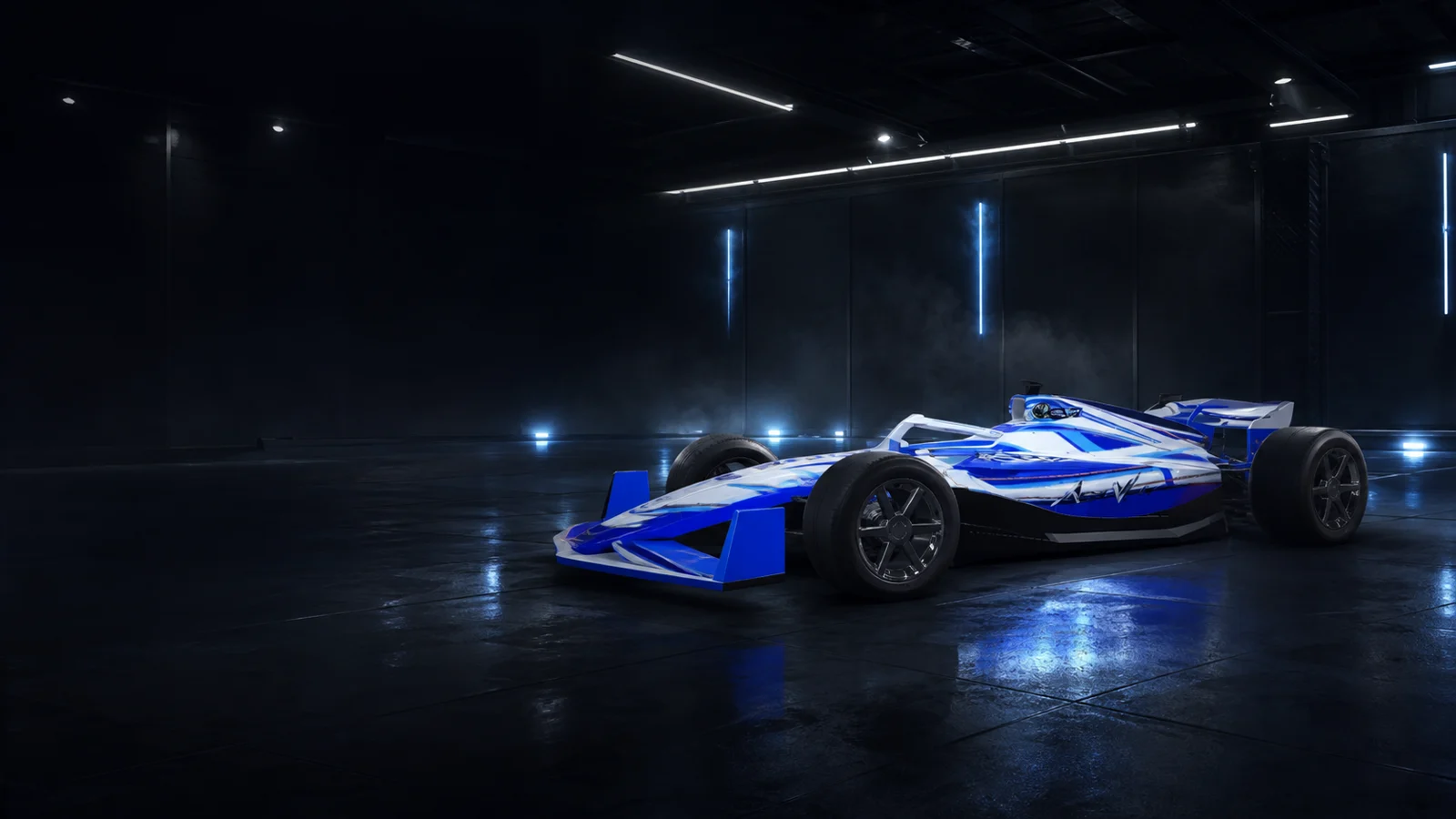
Zenith
The lightest starting car, with a rear-biased character that rewards drivers who are comfortable managing rotation and traction.
Five cups change what the car needs.
Each championship contains six rounds. The Legacy Cup introduces the original heritage routes. Apex moves into the prime Sky Division 2 series, Summit raises the mountain challenge, Crown becomes the masters championship and Endurance stretches races to eight laps.
Legacy Cup
Three-lap races across six heritage circuits. It establishes the first results, earnings and development decisions.
Apex Cup
Four-lap prime-series races with a stronger field and a larger reward structure.
Summit Series
Mountain championship routes ask more of corner balance, braking confidence and track learning.
Crown Series
The masters championship keeps the pressure on a developed car and an experienced driver.
Endurance Series
Eight-lap races increase the cost of heat, tyre wear and unstable setup choices.
Every finish feeds the next weekend.
Campaign position determines points and prize money. Cup wins unlock the next championship, cumulative points move the driver through ten ranks, and earnings return to the same team garage.
The rank ladder runs from Rookie through Challenger, Contender, Pro, Elite, Ace, Master, Champion and Grand Champion to Legend. A title therefore records both race execution and the development route used to get there.
Because every team keeps separate purchases and money, there is no universal “completed garage” that erases the character of the starting car. A Vector career can prioritize cornering support; Verdant can chase speed; both are valid answers to different weaknesses.
The contract only becomes a career in the garage.
Race earnings open choices across 74 upgrade variants. Parts can add power, reduce mass, alter grip, change downforce or unlock a setup control—but each useful gain can create a new weakness somewhere else.
Continue to the garage and upgrade system →