
Seventy-four choices, not seventy-four stackable bonuses.
The garage is organized into 27 physical or electronic slots. A slot can hold one installed variant at a time: one camshaft, one tyre compound, one rear wing and so on. Higher variants replace the installed choice in that slot instead of stacking on top of it.
Different slots do combine. Bore and stroke can work with a cylinder head, camshaft and ECU because they represent different parts of the engine. The car shown in the race is assembled from all currently installed slot choices.
Buying level two does not add level two on top of level one. The installed variant is the complete part. This keeps comparisons readable and prevents a single slot from multiplying itself.
Every category changes a different part of the lap.
The four garage groups are presentation categories, but the effects remain connected through the same car. Engine output still meets the gearbox, tyres still carry aero load, and any mass change affects acceleration and braking.
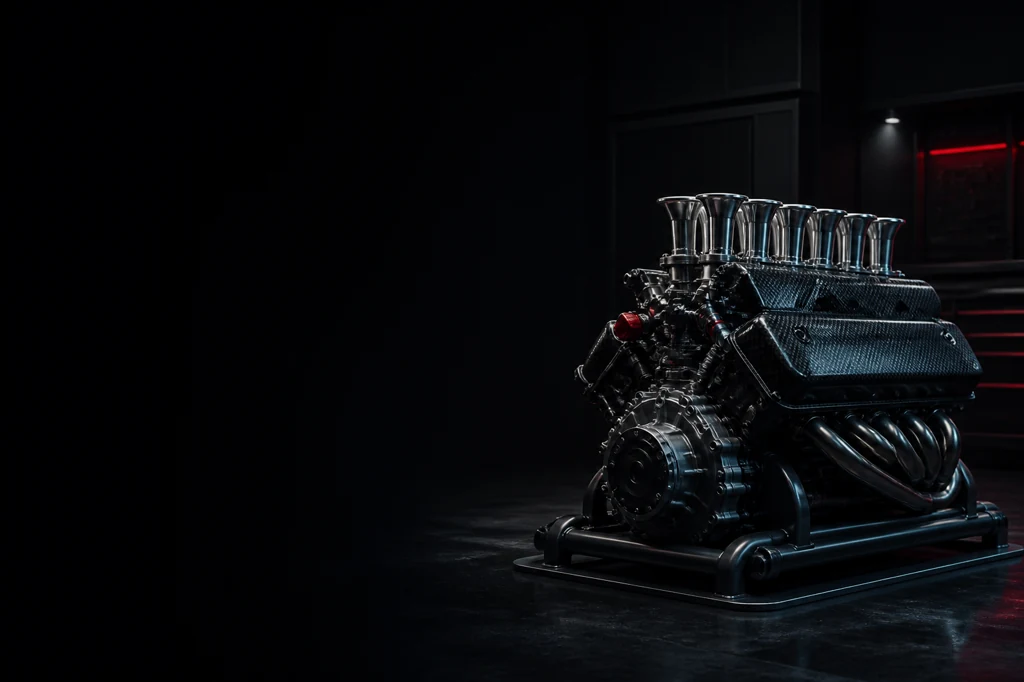
Engine
Bore, stroke, head, valvetrain, camshaft, headers, exhaust and ECU mapping shape torque, power and usable rev range.
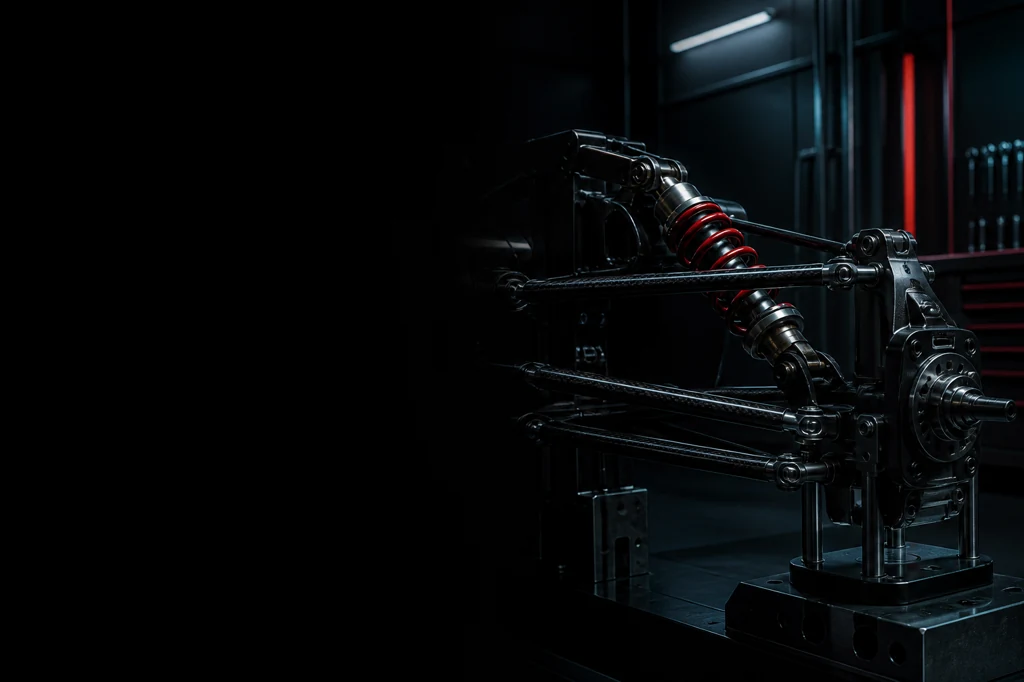
Suspension
Tyres, brakes, bodywork, uprights, monocoque, springs, dampers, anti-roll bars and wheels affect grip, weight and control.
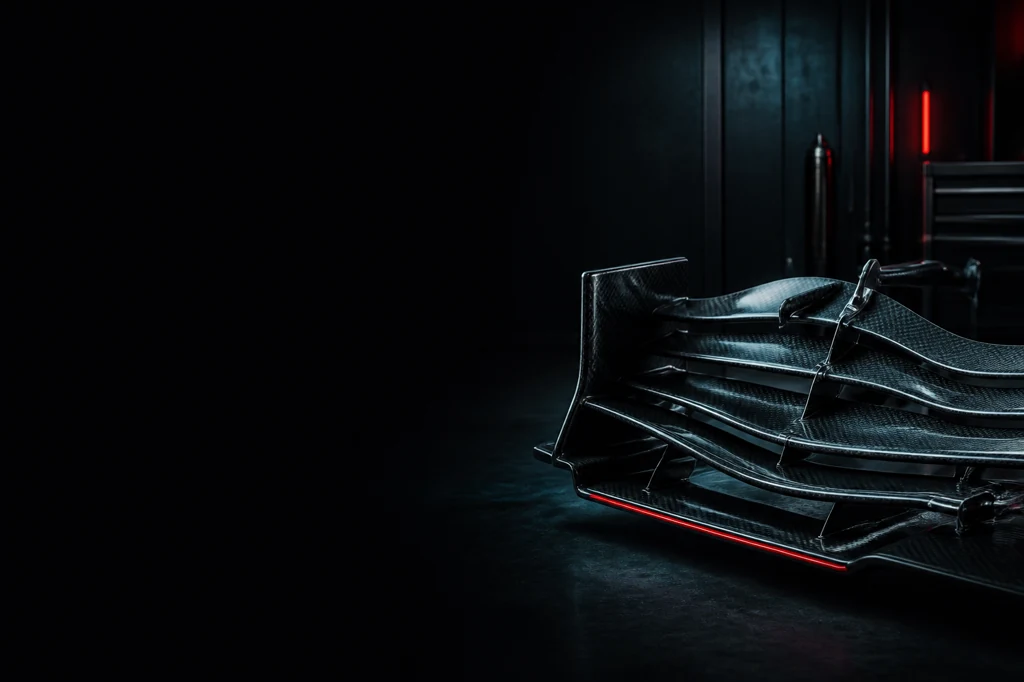
Aero
Rear wing, front splitter and floor increase downforce while drag pushes back against maximum speed.
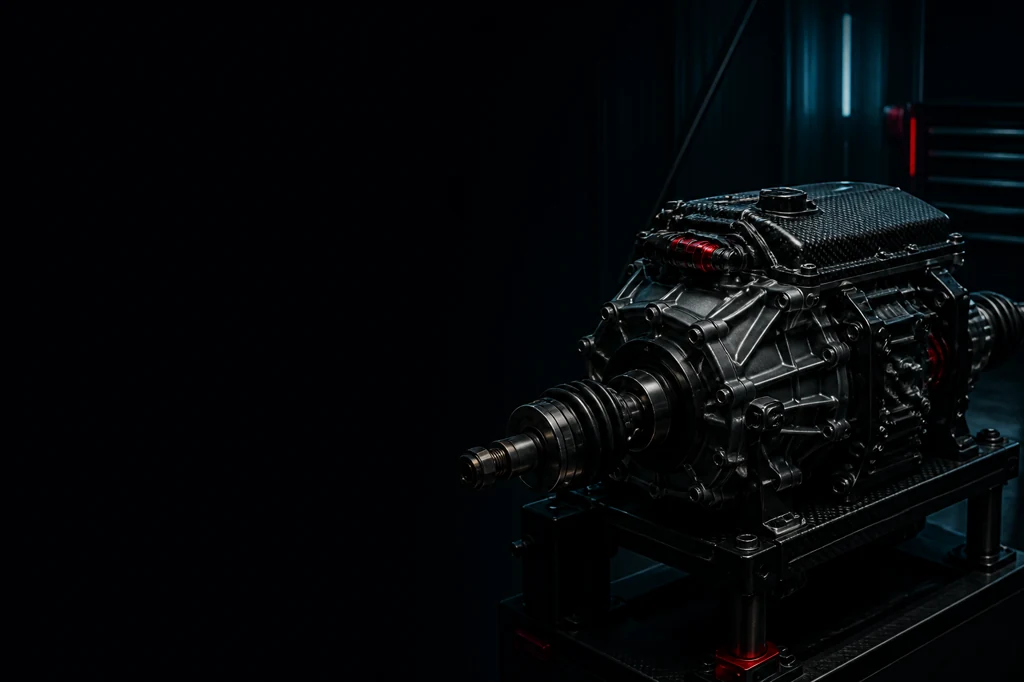
Driveline
Shift hardware, gearbox, controller, differential and ERS decide how engine output reaches the rear wheels.
The maximum build is not the fastest build.
Parts expose both the gain and its cost. A softer tyre compound increases available grip but can add drag, wear more rapidly and lose relative performance in the wet. Larger wings make fast corners safer while their drag removes speed from the straight. Engine geometry can trade rev range for torque or move the power peak higher.
The garage therefore works best as a question: what costs time on the next weekend? The answer may be power, but it may also be braking confidence, tyre life, traction or a setup control that is still locked.
Owned is not always installed.
Purchased parts remain owned by the campaign, but only the selected compatible variant affects the car. Installing another choice in the same slot removes the previous one from the build without deleting the purchase.
Some parts deliberately occupy more than one slot. The Full Titanium System replaces both the header and the rear exhaust section, because it is one complete system. Separate header or exhaust choices cannot be fitted beside it until the full system is removed.
Check the currently installed header. If the Full Titanium System occupies both exhaust-related slots, a separate rear section cannot be installed at the same time. The garage reports that conflict below the exhaust choices.
Read the engine instead of guessing.
The dyno turns the installed engine build into torque and power curves across the rev range. It also shows the air-fuel trace and knock state used by ECU tuning. That matters because a larger peak number does not automatically mean the engine pulls harder at the revs used on track.
Fuel mixture, ignition advance, rev limit and automatic shift point can then be judged against the curve. If power is already falling, a later shift may add noise without acceleration. If the mixture is lean or ignition knocks, the theoretical upgrade does not become useful race output.
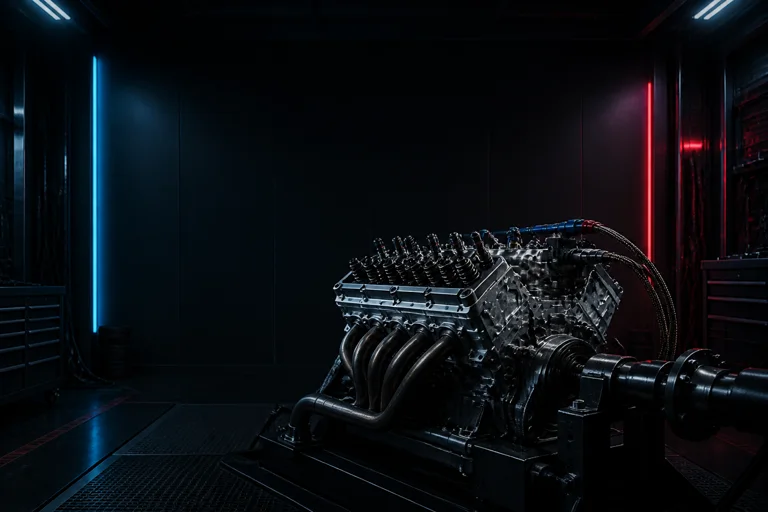
Parts create options; tuning chooses how to use them.
Several installed slots unlock corresponding setup controls. A rear wing opens wing trim, uprights open camber, caster and toe, and gearbox hardware opens ratio adjustment. The next step is therefore not another purchase—it is configuring the car for the route.
Continue to the complete tuning guide →